

Overview
Strength doesn't have an expiry date: Understand why muscle decline is real but far from inevitable and how resistance training is your most powerful tool to slow it down
- Train smarter as you age: Learn how combining strength work, cardio, and balance training delivers the best results for longevity and independence.
- Know when to adjust, not quit: Discover how to load intelligently in your 50s and beyond without accumulating the wear and injuries that come from training like you're still 25.
Can I Keep Getting Stronger As I Age? (Spoiler: Yes, But Let's Talk About It)
We get asked this one a lot. Our customer Scott from Western Australia, recently put it perfectly: "Can I keep gaining strength and power into my fifties, and what age do I back off to not risk major wear and injuries?"
It's a great question and the short answer is YES. You absolutely can keep building strength and power into your 50s, your 60s and beyond. The science backs it up… But… and this is an important but, how you train needs to evolve as you do.
The Reality Check…
Not many people talk about what’s happening in the body in this age bracket: muscle mass and strength peak somewhere around 30–35 years of age. After that, there's a gradual decline, whilst it’s slow and pretty manageable at first, it’s a little more noticeable after 65 for women and 70 for men. Sarcopenia, the name of this age related loss of muscle mass sounds like a Red Hot Chilli Peppers album but sadly it is not as fun.
But here's the key thing the research makes very clear, this decline is not inevitable in the way most people assume. An active lifestyle, and specifically resistance training, can substantially slow it down. We're not talking about maintaining the status quo. People are genuinely gaining strength, improving mobility and increasing their healthy years of life well into their 50s and beyond.
The takeaway? The clock doesn't stop, but you have a lot more control over the hands than you think.
So What Should Training Look Like in Your 50s?
This is where the nuance lives. Training in your 50s isn't about backing off, it's about training smarter.
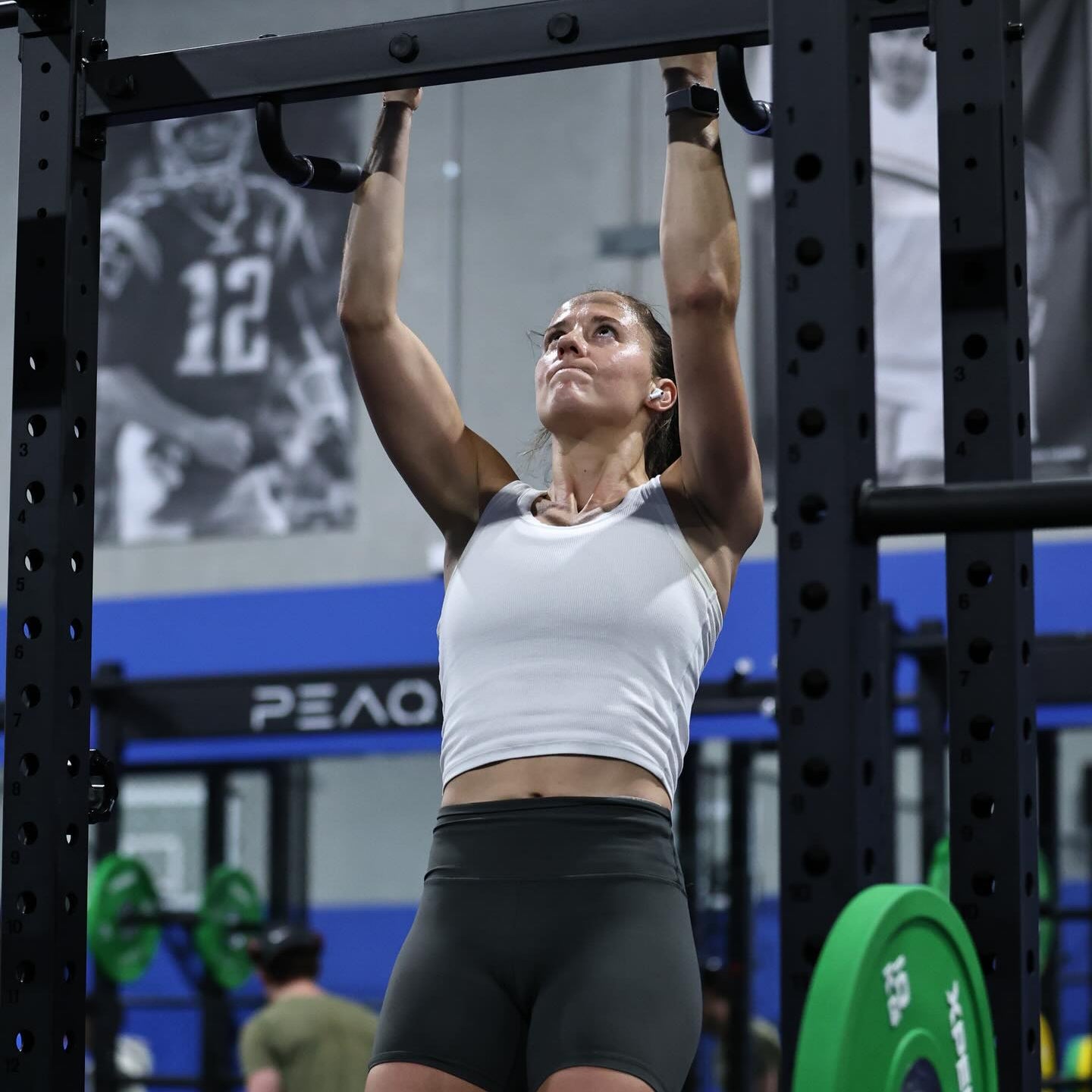
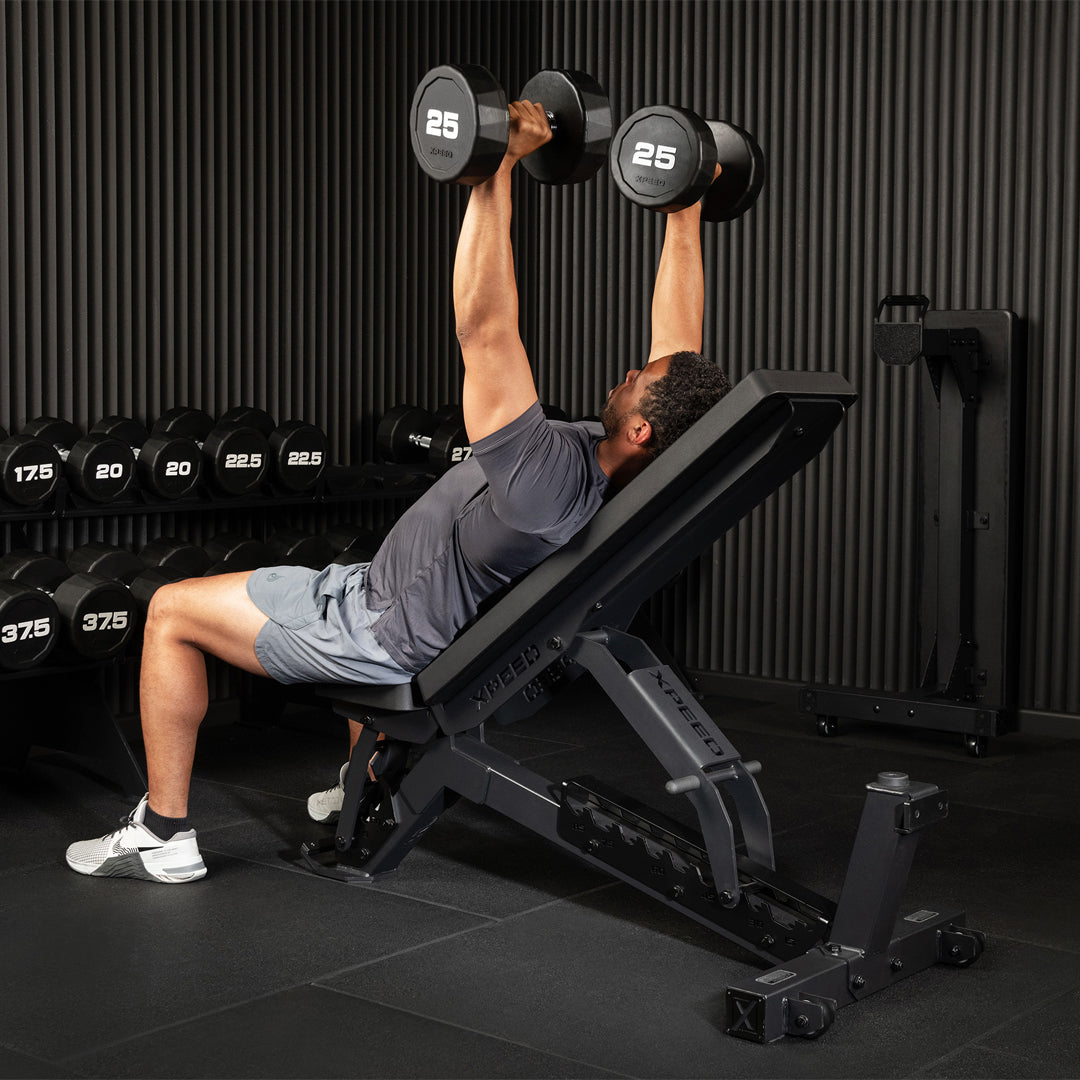
1. Resistance Training is Non-Negotiable: Whether it's dumbbells, barbells, resistance bands, kettlebells, or bodyweight, get it in. Aim for one to two strength sessions per week at minimum. Resistance training triggers powerful cellular and metabolic responses in the body that linger for hours after your session, building cumulative benefits over time. Even a lower-intensity program delivers real results.
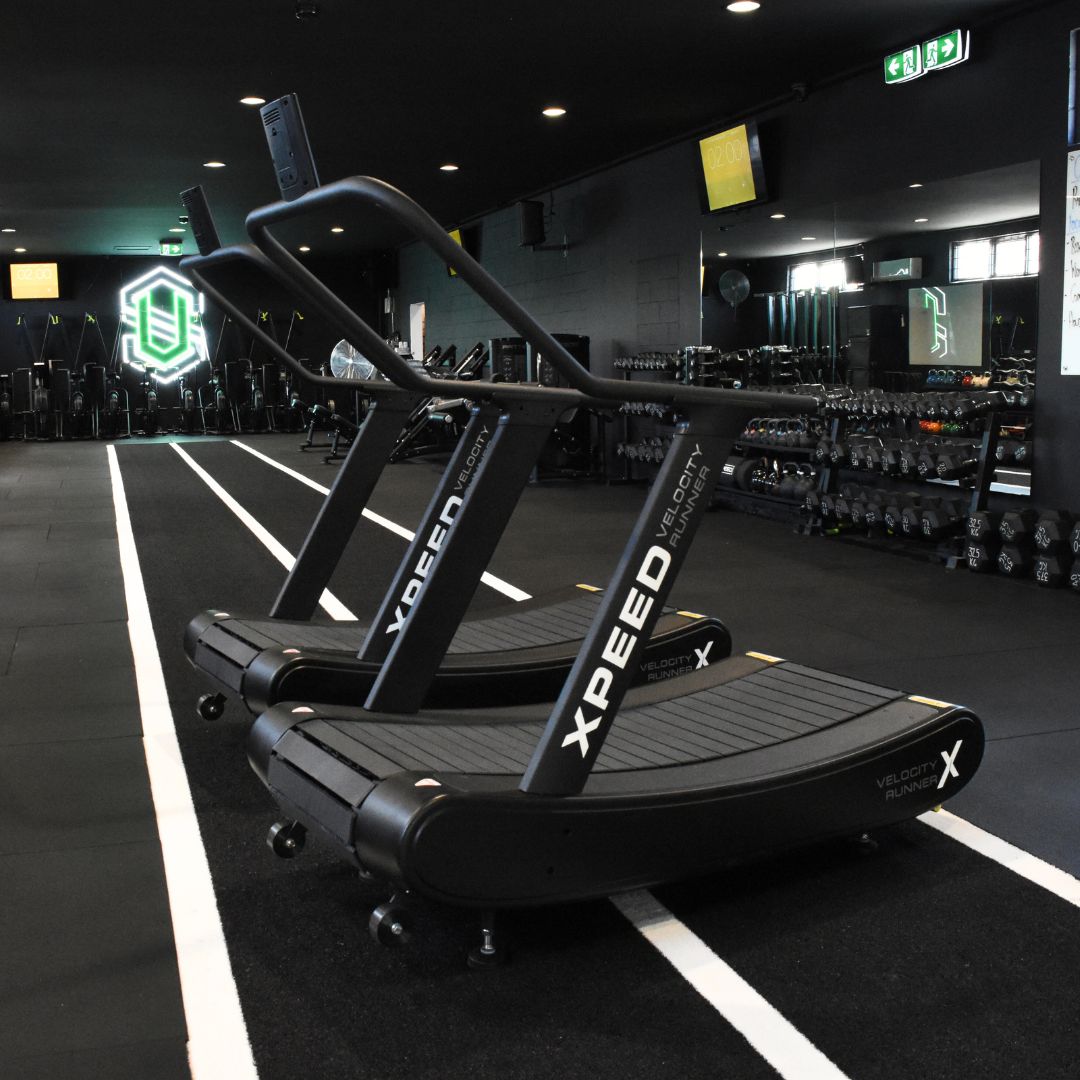
2. Combine it with Cardio and Balance Work: Research consistently shows the best results come from a combination of resistance training, aerobic exercise (walking, cycling, rowing) and balance work. It's not either/or it's all three working together. Think of it as a triple threat for longevity.
3. Load Smarter, Not Just Heavier: You don't need to be chasing one-rep maxes in your 50s (unless that's your thing and you're well-coached). The goal shifts slightly, from peak performance to sustained performance. That means prioritising recovery, respecting your joints and understanding that progressive overload can be achieved through reps, tempo and technique just as much as adding plates.
4. Don't Skip the Boring Stuff: Mobility work, warm-ups, cool-downs, the stuff that felt optional at 25 is genuinely important now. Falls and fractures become a real risk as we age, and building strength alongside flexibility and balance is your best insurance policy.
When Should You Back Off?
Honestly? "Backing off" is the wrong frame. The better question is: when should you adjust?
The answer is: listen to your body and adjust continuously. Pain (not general muscle soreness, but joint pain, sharp pain, persistent discomfort) is a signal, not something to push through. High-impact, high-load movements that are creating chronic wear deserve to be swapped for smarter alternatives, not gritted through.
A 60-year-old is very different from an 80-year-old. You're not "old" at 50! Not even close, but you are at a point where the investment you make in training now will directly determine how you're moving and feeling at 70 and 80. Build the base while you can.

The Bottom Line
Strength training in your 50s isn't about ego, it's about quality of life. It's about being able to ski if you go to Japan or New Zealand on holiday, lift the grandkids if they come along, climb the stairs without thinking about it and stay independent longer. It's one of the most powerful things you can do for your long-term health.
Set realistic goals, train consistently, recover properly and don't be afraid to get some guidance on programming if you're not sure where to start.
Any physical activity is better than none. Start there, build from it and don't stop.
A quick note on fuelling the work!
It's important to remember that training is the stimulus, but nutrition and sleep is where the magic (adaptation) actually happens. No matter what age you're at, if you're not seeing the results, sometimes these are often the missing pieces.
On the nutrition side, protein is your priority, research consistently points to a target of around 1.6 to 2.2 grams of protein per kilogram of bodyweight per day for anyone focused on maintaining or building muscle. For total calories, the goal isn't dramatic restriction, undereating while training hard is a one way street to fatigue and muscle loss. Eat enough to support your activity, prioritise whole foods and treat protein as non-negotiable at every meal.
On the sleep side, this is when your body releases growth hormone, repairs muscle tissue and consolidates the work you've put in. 7-9 hours isn't a luxury, it's part of the program. Shortchange your sleep and you're essentially leaving gains on the table, regardless of how well you train.
Conclusion
I'll be honest Stephen, I'm writing this as a 43 year old Dad of 3, who trains 4 times a week. From Tuesday to Friday, I do a 4 day split that I squeeze into a 50 minute session. It's not glamorous, it's far from perfect... But... I show up and that's the point.
Do I still want to look like Woverine? Absolutely! And the research says I can. So can you!
Want to learn more? Explore the Xpeed blogs.

Author
Simon Mitchell
Written by Xpeed Brand Manager, Simon Mitchell. Simon has a Bachelor of Human Movement, is a certified FMS trainer and has worked in the fitness industry since 2003. Simon started his fitness journey as a trainer with iNform Health and Fitness before moving into commercial radio and then back into fitness with Bodyism in the United Kingdom and Australia. A career highlight was being one of Daisy Ridley's personal trainers on Star Wars IX - The Rise Of Skywalker.
Explore Xpeed Boxing Gear
Build A Better Body With Xpeed